
How To Foam Roll 6 Common Tight Muscles
Foam Rolling offers many benefits to alleviate muscle tension, overcome muscle imbalances, improve posture and prevent injuries. Follow this guide to learn the foam rolling safety tips and how to release 6 commonly tight muscles in the body.
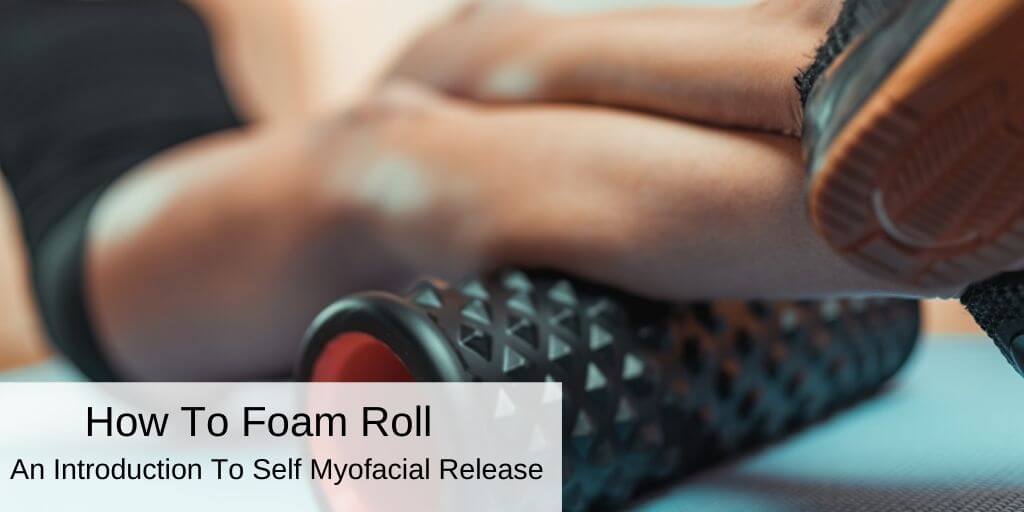
How To Foam Roll Tight Muscles
Benefits of Foam Rolling
Foam rolling is a form of self-myofascial release, or self massage. It involves the use of a firm object to apply pressure to a relieve an area of muscle tightness. Some of the benefits of foam rolling include reducing inflammation, relieving soreness and tension, and improving the range of motion of your joints. [1] Foam rolling can also help restore muscular balance in your body and improve posture.
Foam Rolling Safety Tips
Always speak to your doctor before engaging in any form of physical activity, including the use of foam rolling.
- Avoid foam rolling areas that cause feelings of sharp pain, numbness, tingling or pulsating. This sensations might mean that you are on a nerve or blood vessel and it is important that you move away from that spot.
- Avoid foam rolling in areas where varicose, or enlarged, veins are present. Varicose veins are most common in the legs, specifically in the calf region, and can be caused by damaged valves, which result in increased pressure within the veins. [2]
- Avoid foam rolling if you had a recent injury, such as a muscle tear or broken bone [1].
- Avoid foam rolling joints, such as the knees, elbows and ankles to prevent hyperextension of the joint [1].
- Use precautions when foam rolling during pregnancy [1].
Types of Foam Rollers
Foam rollers come in many forms and are typically cylindrical shaped and made of dense foam. Some are smooth and others are textured with ridges on them. Beaded massage sticks are commonly used among runners and you can even use a small ball, such as a tennis ball, lacrosse ball or softball in place of a traditional foam roller. We recommend the Amazon Basics foam roller: 36″ Foam Roller ($20 Amazon)
How to Foam Roll A Tight Muscle
Foam rolling involves applying pressure to an area of tension on a muscle. These areas of tension are found on commonly overactive muscles, such as the calves, hamstrings, adductors, hips, lats, rhomboids, upper traps, and neck muscles. Include foam rolling in your warm-up routine before stretching and starting a workout.
To begin, start by sitting on a hard and flat surface. Place the ball or foam roller under the muscle and “roll” to an area of tension or pain. The pain that you feel should be dull but tolerable. Once you find the right spot, hold the ball/roller on the spot of tension for 30 seconds to 2 minutes. Try to breathe and relax during this process, and you will start to notice that the level of pain decreases over time as the muscle releases. When the pain is significantly reduced, try to find 1-2 new spots of tension and repeat the process.
Releasing Commonly Overactive Muscles
Calf Release [30s – 2 min Hold]
Sit on ground. Place ball under one leg & roll above the ankle to below the knee until you find a spot of tension. You may find more tension in your calf when leaning your leg slightly to the side. Repeat on both sides.
Hamstring Release [30s – 2 min Hold]
Sit on a bench or chair. Place ball under your upper leg to the side. Move the ball from above the knee to below the hip on the hamstring muscle. Add pressure using your hands if you are sitting on a soft surface. Extend your leg to increase tension on the ball if needed. Repeat on both sides.
Piriformis Release [30s – 2 min Hold]
Sit on a foam roller with knees bent and hands behind back on floor for balance. Cross your right leg over the left and lean to the right. Make sure the foam roller is on the upper side part of your right butt. Repeat on both sides.
Hip Flexor Release [30s – 2 min Hold]
Lay on your side with the foam roller placed below the hip bone. Have your elbow bent and legs extended with the top leg in front for balance. Lean forward and back until you find the spot of tension around your hip. Hold, then repeat on the other side.
Latissimus Dorsi Release [30s – 2 min Hold]
Lay on side with foam roller below your armpit, under your shoulder-blade. Lean forward and back until you find a spot of tension. Repeat on both sides.
Upper Trapezius Release [30s – 2 min Hold]
Place a small ball on the muscles to the left/right of your spine. Lean against the ball on a wall, rolling until you find a pressure point. Hold, then repeat on the other side.
Summary
Foam Rolling offers many benefits to alleviate muscle tension, overcome muscle imbalances, improve posture and prevent injuries. It is important to follow the safety tips when foam rolling. When choosing a foam roller, start with a smooth foam roller with medium density. Use a ball or textured foam roller to target a more specific area of tension with additional pressure. Remember to “roll” until you find a tight or painful spot, then hold on the spot for 30 seconds up to 2 minutes per spot until you feel a release. A release is indicated by a decrease in pain levels. Use this guide to release the six commonly overactive muscles in the body and move one step closer towards improved mobility and ideal posture.
References
1. Chertoff, J. (2019, April 11). Foam roller benefits, risks, and how to. Healthline. Retrieved January 15, 2022, from https://www.healthline.com/health/foam-roller-benefits
2. Varicose veins. Johns Hopkins Medicine. (n.d.). Retrieved January 15, 2022, from https://www.hopkinsmedicine.org/health/conditions-and-diseases/varicose-veins
3. National Academy of Sports Medicine (NASM). https://www.nasm.org
4. Brookbush Institute. https://brookbushinstitute.com/
Start Your Transformation Today With A Free Training Session
Related Articles:
5 Effective Ways To Burn Body Fat, Reduce Hunger & Lose Weight
Do you struggle to burn body fat and lose weight? By making small changes to your eating habits, you will see how easy it is to burn body fat, reduce hunger and...
2 Powerful Tools For Meal Planning: Meal Timing & Tracking
In this article, we aim to provide you with tips and tricks to help you “perfect” your diet/meal plan through meal timing and tracking.2 Powerful Tools For Meal...
How Staying Hydrated Can Help You Reach Your Fitness Goals
Hydration offers many well-known health benefits, such as regulating body temperature, lubricating joints, and protecting the spinal cord and sensitive tissues in...

Identifying Healthy and Unhealthy Habits
A person's habits are the window into how they live their lives and what they value. This is why identifying unhealthy habits and working to transform them into...
9 Best Exercises Before Shoveling Snow
Use These 9 Essential Exercises Before Shoveling Snow To Reduce Back Pain & Prevent Injuries. Warm Up Your Body & Use The Right Lifting Techniques To Make Shoveling Snow Safe & Productive.
5 Full Body Exercises That Burn The Most Calories
Here Is A Workout With 5 Full-Body Exercises To Burn Body Fat, Build Muscle, And Burn The Most Calories!5 Full Body Exercises That Burn The Most Calories Dumbbell...

Stephan Reyes Named Person of the Year 2023
Stephan Reyes was honored as TBR News Media's Person of the Year for 2023. Stephan's commitment goes beyond early morning sessions. He strives for holistic...